July 20, 2026
A sewer line cleaning can feel stressful if you have never scheduled one before, especially when drains are slow, odors are present, or a backup has occurred. In most cases, the goal is straightforward: identify what is affecting the sewer line, clear the obstruction effectively, and help restore reliable flow. Read here to learn what you can expect from professional sewer line services.
Why Sewer Line Cleaning May Be Needed
Sewer lines carry wastewater away from sinks, toilets, tubs, showers, laundry areas, and other plumbing fixtures. When the line becomes restricted, the symptoms may appear in more than one place. A single slow sink may be a localized drain issue, but multiple slow drains, gurgling sounds, foul odors, or sewage backups can suggest a deeper problem in the main sewer line.
Professional sewer line services are often scheduled when routine drain clearing is not enough. Common causes include grease buildup, debris, settled waste, tree root intrusion, old pipes, or deteriorating line conditions. Because several issues can create similar symptoms, the cleaning process often begins with a careful evaluation rather than immediate guesswork.
The Appointment Usually Begins With Questions and Assessment
Before cleaning starts, a technician will ask what symptoms you have noticed and how long they have been happening. Useful details include which fixtures are draining slowly, whether odors are coming from specific drains, whether toilets are gurgling, and whether any backups have occurred. These details help narrow down where the problem may be located.
A visual assessment may also include checking accessible drains, cleanouts, and areas where water or sewage has appeared. Cleanouts provide access points to the plumbing system. If a property does not have a convenient cleanout, future maintenance may be more difficult, which is why cleanout installation can be an important plumbing upgrade.
Camera Inspections Can Help Locate the Problem
For many sewer line concerns, a camera inspection can provide valuable information. A small camera can be sent through the line to look for blockages, root intrusion, cracks, deteriorating pipe sections, or other obstructions. This step helps the technician see what is happening inside the line instead of relying only on surface symptoms.
Camera inspections can also help determine which sewer line services make the most sense. A line blocked by roots may need root removal, while heavy buildup may call for high-pressure water jetting. If the inspection shows severe pipe damage, cleaning alone may not be enough, and repair or replacement options may need to be discussed.
High-Pressure Water Jetting Clears Buildup
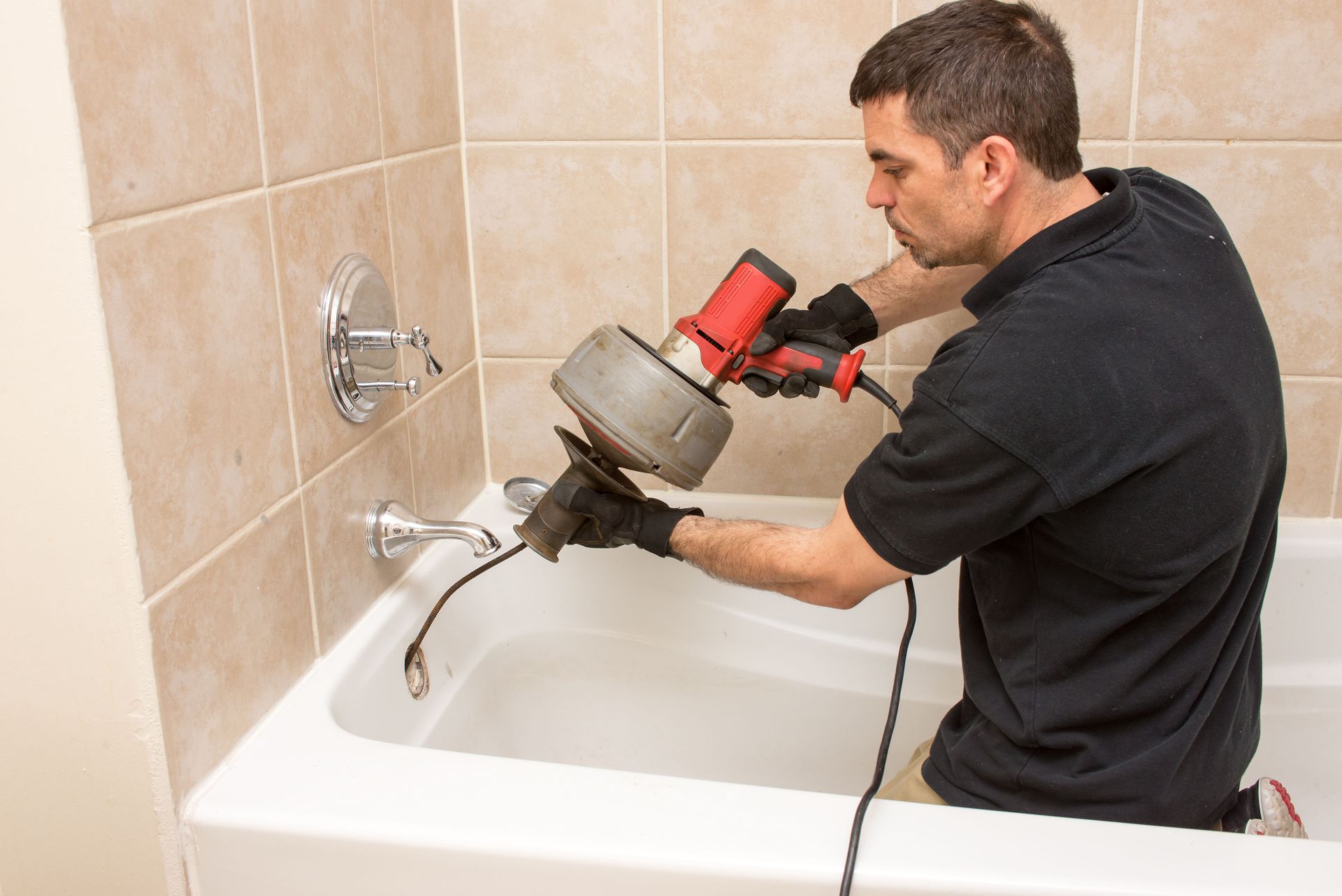
High-pressure water jetting is a common method used during sewer line cleaning. It uses pressurized water to clear buildup from inside the pipe and help restore flow. This method can be especially useful when the obstruction involves grease, sludge, residue, or debris that has collected along the pipe walls.
Unlike a quick clearing that only creates a small opening through a clog, water jetting is designed to clean more thoroughly along the pipe interior. The technician may adjust the process based on the pipe condition, blockage type, and access point. This helps make the cleaning more effective while protecting the plumbing system from unnecessary strain.
Root Removal May Be Part of the Service
Tree roots are a common cause of sewer line problems. Roots can enter through small openings, joints, or weakened sections in the line as they search for moisture. Once inside, they can catch debris and gradually create a blockage that slows drainage or leads to backups.
When root intrusion is found, sewer line services may include root removal to clear the pipe and restore better flow. Removing roots can address the immediate restriction, but the technician may also explain whether the line shows signs of damage or deterioration. If roots have entered repeatedly or the pipe is compromised, cleaning may need to be paired with preventative maintenance, repair, or replacement planning.
Backups Make Prompt Service More Important
Sewer backups should be taken seriously because they can affect sanitation, comfort, and property conditions. According to the Insurance Information Institute, the number of backed-up sewers is increasing at an alarming rate of about 3% annually. That trend highlights why slow drains, odors, and gurgling sounds should not be ignored when they appear together.
When a backup occurs, the technician's priority is to determine the likely cause and restore flow as safely and efficiently as possible. Same-day service or after-hours support may be especially helpful when the issue disrupts bathrooms, kitchens, or commercial spaces. The sooner the cause is addressed, the less likely the situation is to worsen.
Some Cleaning Visits Reveal Repair Needs
Not every sewer line problem is solved by cleaning alone. In some cases, the cleaning process or camera inspection may reveal damaged pipe, deterioration, recurring root intrusion, or sections that no longer support dependable flow. When that happens, the next step may involve discussing repair or replacement.
Trenchless sewer repair may be an option in certain situations, depending on the pipe condition and the nature of the problem. Sewer line replacement may be needed when the existing line is too deteriorated or damaged for cleaning or repair to provide a dependable solution. These recommendations should be based on what the inspection shows, not on assumptions.
Preventative Maintenance Helps Reduce Future Problems
After the line is cleaned, the technician may discuss preventative maintenance. This can include periodic cleaning, monitoring known trouble spots, or scheduling future inspections if roots, buildup, or aging pipes are a concern. Preventative maintenance is especially helpful for properties that have experienced repeated slow drains or backups.
Ongoing sewer line services can help property owners catch problems before they become emergencies. While no maintenance plan can guarantee that a sewer line will never clog, routine attention can reduce the risk of severe blockages and make it easier to respond before the issue affects multiple fixtures.
What Property Owners Can Expect After Cleaning
Once the cleaning is complete, drains should move more freely if the blockage has been cleared. The technician may review what was found, what method was used, and whether any additional concerns were identified. If the line was inspected with a camera, the findings may help explain why the issue happened and whether follow-up service is recommended.
This is also a good time to ask about future access. If the cleanout was difficult to reach or the system lacks a proper access point, cleanout installation may make future cleaning and repairs easier. Clear access can save time during future service and help technicians address problems more efficiently.
How to Choose the Right Help
Choosing a provider for sewer line cleaning should involve more than asking who can arrive first. Licensed technicians, appropriate equipment, clear communication, and experience with drain and pipe issues all matter. Sewer line services may involve a wide range of work, including water jetting, root removal, camera inspections, and more, so the provider should be able to explain the process clearly.
A sewer line cleaning is a practical service that can restore flow, identify hidden problems, and help prevent minor drainage concerns from becoming major disruptions. The process may include an assessment, cleanout access, camera inspection, high-pressure water jetting, root removal, and follow-up recommendations. Drainiacs Sewer and Drain provides sewer line cleaning, high-pressure water jetting, root removal, camera inspections, trenchless sewer repair, sewer line replacement, preventative maintenance, cleanout installation, drain and pipe services, and emergency plumbing support.